
Disclosure: This content may contain affiliate links. Read my disclosure policy.
Winter skincare for hikers is definitely a thing. Here’s the pre- and post-hike skin protection that actually works.
Winter skincare for hikers is not about vanity. It is about maintaining your skin barrier so that it can do its job. When skin breaks down, it becomes more vulnerable to windburn, sunburn, infection, and chronic irritation. Once that damage accumulates, it is surprisingly hard to reverse in the middle of the season.
The good news is that winter skincare for hikers does not need to be complicated. A small number of well-chosen products, used consistently, make a dramatic difference. What matters most is understanding when to protect, what to protect with, and why certain products work better in cold, windy conditions.
This guide focuses on practical, field-tested skincare strategies for winter hikers. These are products and techniques that hold up to cold weather, long days, and repeated exposure. All product recommendations are direct from my hiking friends, male and female, field-tested in New York’s harshest winter conditions.
Nothing here is about trends. Everything here earns its place.
Why Winter Hiking is so Hard on Skin
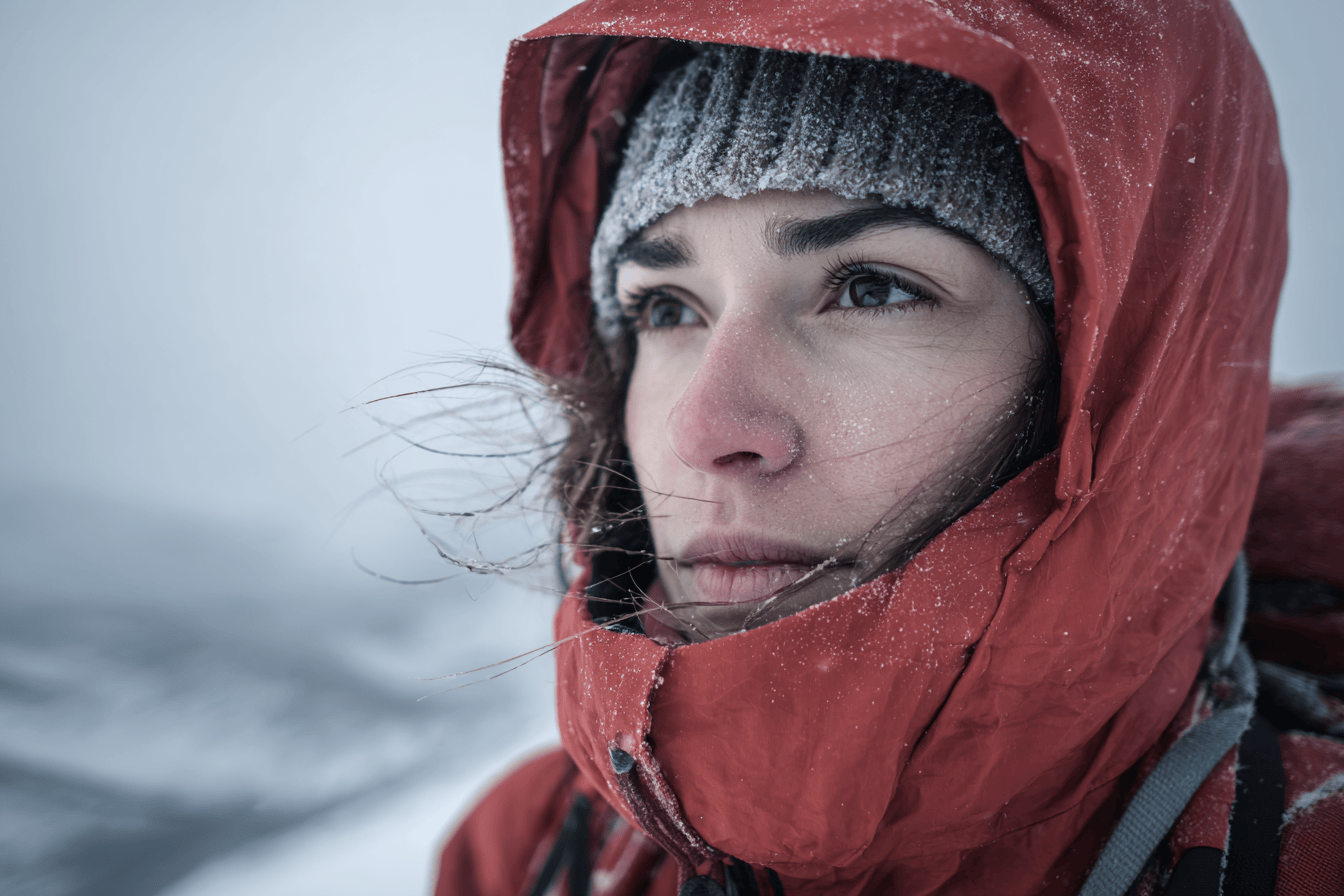
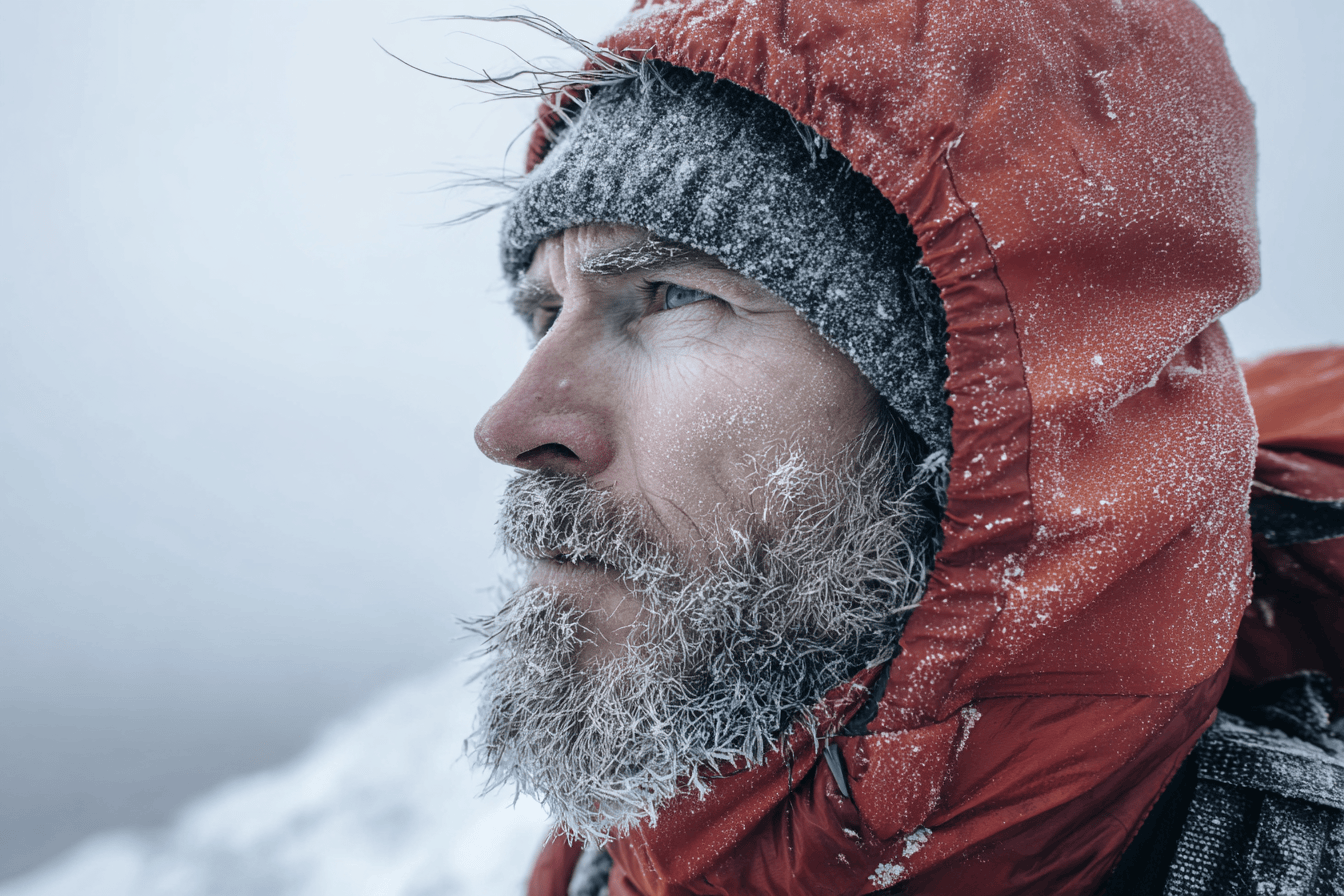
Cold weather affects skin differently than heat. In winter, relative humidity drops sharply. Cold air holds far less moisture than warm air, which means your skin loses water more quickly through evaporation. Wind accelerates this process by stripping away the thin layer of warmth and moisture at the surface of the skin. This is why exposed areas like cheeks, noses, and lips are often the first to suffer.
Snow introduces another problem. Fresh snow reflects a significant amount of ultraviolet radiation. Even on cold, cloudy days, UV exposure can be substantial, especially at elevation or above treeline. Many hikers associate sun damage with summer heat and forget that winter sun can be just as punishing.
Sweat also plays a role. During winter hikes, you may not feel sweaty in the same way you do in summer, but moisture still accumulates under layers. When sweat evaporates in cold air, it increases skin dryness. Repeated cycles of sweating and cooling can weaken the skin barrier over time.
Finally, friction matters. Gloves, trekking pole straps, collars, and face coverings all rub against skin for hours at a time. When skin is already dry, this friction can cause irritation, cracking, and inflammation.
All of these factors combine to create a perfect storm for skin damage unless you actively work to prevent it. Here are the recs you need for the best winter skincare for hikers. Get them into your winter hiking kit.
BTW, you might also enjoy…
- NEW › Winter Skincare for Hikers
- CATSKILLS › Best Catskills Waterfalls
- STAY › Find Your Perfect Catskills Stay
- ADIRONDACKS › Hike Van Hovenberg
- ENTERTAINMENT › Best & Worst Hiking Movies
- Follow › My Instagram @TotalCatskills
- Follow › My Substack @TotalCatskills
- Follow › My writing for Times Union
Pre-Hike Skincare: Protect Your Skin Before You Even Step Outside
The most important rule of winter skincare for hikers is simple. Prevention works far better than repair. Once skin is windburned or cracked, it can take days or weeks to heal. Starting with protection makes everything else easier.
Build a Physical Barrier, Not Just Moisture
Lightweight lotions that work fine in summer often fail in winter. Cold conditions call for thicker, more occlusive products that physically slow moisture loss. This does not mean slathering your face in grease. It means applying a thin layer of a barrier product to the areas most exposed to wind and cold.
Cetaphil Healing Ointment Skin Protectant is an excellent example. It is petrolatum-based, which means it seals in moisture and protects the skin barrier. Applied sparingly to cheekbones, the bridge of the nose, and the chin, it creates a buffer against wind without feeling heavy or sticky. A small amount goes a long way, and the product holds up well in cold temperatures.
If you prefer CeraVe products, they also make a Healing Ointment / Hydrating Skin Protectant.
This kind of barrier protection is especially useful on windy ridgelines, above treeline, or on long winter days when exposure adds up hour after hour.
Do Not Skip Sun Protection
Winter sun exposure is easy to underestimate. Snow reflection increases UV intensity, and cold temperatures can mask the feeling of sunburn until damage is already done.
At minimum, lips should be protected with an SPF lip balm during winter hikes. Lips have thin skin, little natural oil, and are constantly exposed. Reapplying SPF lip balm during breaks is one of the simplest and most effective winter skincare habits a hiker can adopt.
For the face, many hikers prefer a moisturizer with built-in SPF or a dedicated sunscreen layered under a barrier ointment. What matters most is consistency. Winter sun damage is cumulative, and it shows up later.

Post-Hike Skincare: Repair the Damage
Once the hike is over, skincare shifts from protection to recovery. Even with good prevention, winter conditions take a toll. The goal after a hike is to calm irritation, restore moisture, and support the skin’s natural repair process.
Restore the Skin Barrier First
After washing your face and hands, the first step should be a rich, fragrance-free moisturizer that supports barrier repair. First Aid Beauty Ultra Repair Cream is particularly well-suited to this role. It contains colloidal oatmeal, which helps soothe irritation and reduce redness, and it is thick enough to provide lasting hydration without clogging pores.
This kind of moisturizer works well on both face and hands, which simplifies post-hike routines. Consistent use after winter hikes can dramatically reduce flaking, burning, and that persistent “tight” feeling that lingers into the next day.
Night Creams for Deeper Recovery
On consecutive hiking days or during prolonged cold spells, a dedicated night cream can help skin recover more fully between outings. Grown Alchemist Detox Night Cream is formulated to support overnight repair, when skin naturally regenerates more efficiently.
Night creams are not strictly necessary for everyone, but they can be valuable during heavy winter hiking periods when skin never quite catches up. Applied before bed, they support deeper hydration and barrier repair while you sleep.

Skincare for Hikers’ Lips, Hands, and Eyes
Certain areas suffer disproportionately in winter but are easy to overlook.
Lip Care That Actually Works
Chapped lips are nearly universal among winter hikers. Once lips crack, they can be painful and slow to heal. Overnight treatment is one of the most effective solutions.
NCLA Beauty Sleep Overnight Lip Mask works by sealing in moisture for hours at a time. Applied before bed, it allows lips to recover fully overnight rather than drying out again between applications of daytime balm. For hikers who spend multiple days outside each week, this can be a game-changer. And they gots flavas!
And don’t forget a basic option like Vaseline. Yes, it’s dirt cheap, and old school, but it works so so well.
Protecting the Eye Area
The skin around the eyes is thinner and more vulnerable than the rest of the face. Cold wind, sun glare, and dry indoor heat all take a toll here.
Perricone MD Cold Plasma Plus+ Eye Cream is designed to hydrate and support this delicate area without heaviness. Regular use can help reduce dryness, fine irritation, and that tired, creased look that often shows up mid-winter.
Hands That Take Real Abuse
Hands may suffer more than any other part of the body during winter hiking. Gloves come on and off. Hands grip poles. Snow and ice melt against skin. Repeated washing at home removes natural oils.
O’Keeffe’s Working Hands Cream is well known for a reason. It is designed for severely dry, cracked skin and works especially well when applied at night. A thick layer before bed, followed by cotton gloves or mitts, can restore damaged hands surprisingly quickly.
This approach was widely used by healthcare workers during periods of extreme handwashing—one follower said, “It saved my hands in the hospital during COVID”—and it translates perfectly to winter hiking recovery.
Natural and DIY Alternatives Some Hikers Prefer
Winter skincare for hikers doesn’t have to mean buying expensive commercial products. Some hikers prefer simpler, more natural solutions. These can work well if used thoughtfully.
Tallow-Based Face Creams
Tallow creams are highly occlusive and closely mimic the lipid structure of human skin. In very cold, dry conditions, they can be extremely effective as barrier products. The main downsides are scent, texture, and temperature sensitivity, as some formulas can become quite firm in cold weather.
Look. It’s not for me. It’s probably not for you. But it’s definitely for… someone.
Shea Butter and Homemade Body Butters
Shea butter and homemade body butters made from shea, almond oil, coconut oil, and beeswax can provide excellent protection for hands, feet, and severely dry skin. These are best used post-hike or overnight rather than during activity, as they tend to be heavy and slow to absorb.
Winter Skincare for Hikers: Common Mistakes
Even experienced hikers make the same winter skincare errors year after year.
- Using lightweight summer lotions that offer no real barrier.
- Skipping SPF because it is cold.
- Applying facial mists to bare skin in dry air.
- Ignoring lips and hands until damage is severe.
- Waiting until skin is already irritated before changing habits.
Avoiding these mistakes is often more important than finding the perfect product.
Final Thoughts About Winter Skincare for Hikers
Winter skincare for hikers is part of winter safety. Just like traction, layers, and hydration, it deserves a place in your routine. Protecting your skin before exposure and helping it recover afterward makes winter hiking more comfortable, more sustainable, and more enjoyable over the long haul.
You plan your gear extra carefully in winter. Your skin deserves the same attention.
Read More
Get full access…
Get instant access to the full version of this site and enjoy great supporter benefits: full galleries, full trail notes, early access to the latest content, and more.
Hot on the website right now…
Follow for more…
Follow my @TotalCatskills content on Instagram for regular hiking inspo and safe, inclusive community.